How to Stop Watching Porn: A Plan for the Moments That Matter
It tends to happen at the same times: late, alone, phone in hand. A plan built around those moments, what to do after a slip, and when to get help.
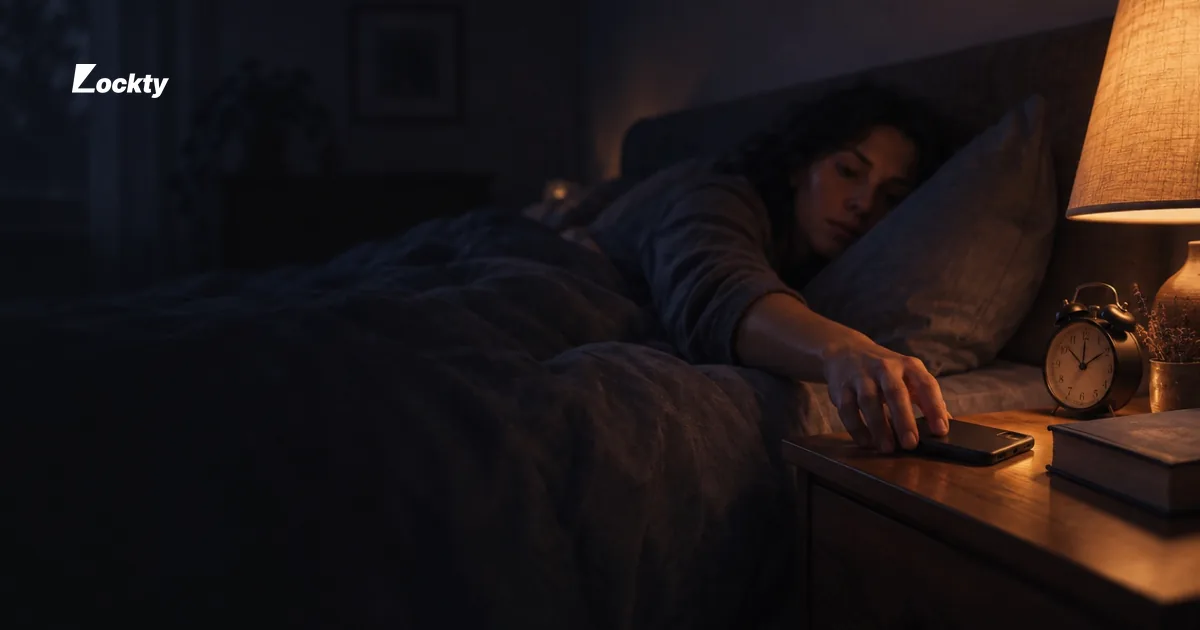
If you want to stop watching porn, work on the moments it happens rather than on willpower in general. For most people those moments are predictable: late at night in bed, alone with the phone, bored, stressed or lonely. So the practical core is four things: make access harder at exactly those times, change the routine around them, have a plan for urges and triggers, and get support from a person, a group or a professional.
Below: why stopping is hard, a step-by-step plan, what to do after a slip, and when to talk to a professional. No judgement here. Whether you want to quit porn or cut back, and why, is your call.
Why it's hard to stop
Porn use tends to become a habit tied to cues: a place, a time of day, a device, a mood. Researchers who analysed 104 abstinence journals from men on an online quitting forum found that keeping going was hard because of "habitual behavior patterns" and cravings set off by many different cues (Fernandez, Kuss and Griffiths, 2021). Some lapses felt like intense cravings. Others happened almost on autopilot. The most common external triggers were online content and social media; lying in bed with nothing to do was another. Stress, loneliness and low mood were the common internal ones.
That matters for your plan. Autopilot use is where a block helps most. Use driven by stress or loneliness needs something else to do with those feelings too.
You may also be wondering whether this counts as an addiction. The World Health Organization's ICD-11 includes compulsive sexual behaviour disorder: a persistent pattern of failing to control intense, repetitive sexual urges, lasting six months or more and causing marked distress or problems in daily life. Distress that comes only from moral judgement or disapproval doesn't meet that requirement on its own (Zhu et al., Frontiers in Psychiatry, 2025; Healthy Male). Only a clinician can tell you whether that applies to you. What's clear is that struggling to control sexual urges is common: in a US national survey of 2,325 adults, 10.3% of men and 7.0% of women reported clinically relevant distress or impairment from it (Dickenson et al., JAMA Network Open, 2018).
You don't need a label to decide you want to change something.
A step-by-step plan
1. Map your pattern for one week
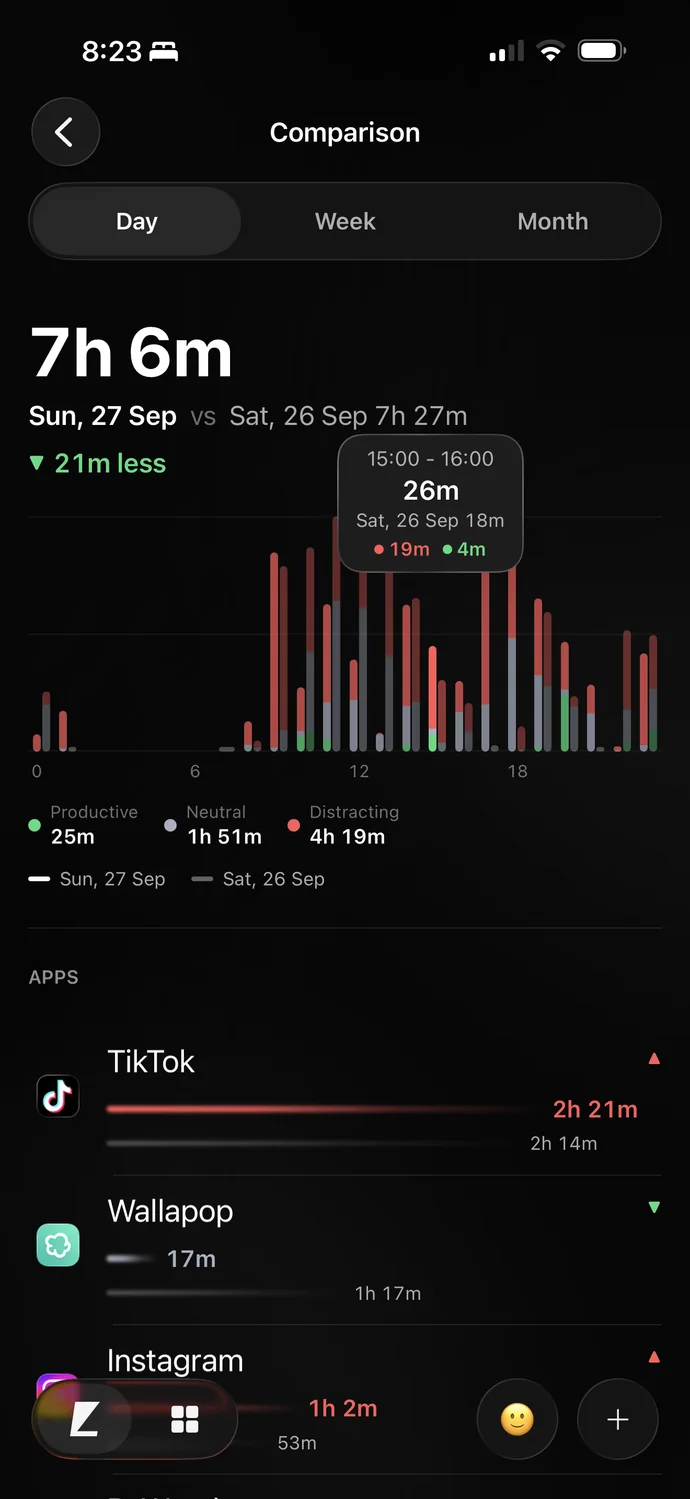
Before you change anything, write down each time you watched or felt a strong urge to: the time, where you were, which device and app, and how you felt just before. After a week most people see two or three repeat situations, such as "after 11pm in bed", "Sunday afternoon with nothing planned" or "after a bad day at work". Those are the moments your plan has to cover.
2. Decide your goal
Some people want to quit porn completely; others want to cut down or stop a particular type of content. Healthy Male, an Australian Government-funded men's health organisation, notes that setting boundaries on how often or what type you use can help change the behaviour. Pick one goal and write it down in one sentence, in your own words. You'll reuse that sentence later.
3. Make access harder at those moments
Put a filter on adult websites, block the specific apps and sites that lead you there, and keep the phone out of the bedroom at night if you can. Forum members in the study above found blockers and device rules helpful but not enough on their own, and easy to get around. Expect that. A block's job is to interrupt the autopilot and buy you a few minutes, which is often all an urge needs to pass.
4. Write if-then plans
Vague intentions don't hold up at midnight; specific if-then plans do better. A meta-analysis of 94 studies found that plans in the form "If situation X happens, I will do Y" had a medium-to-large effect on reaching goals (Gollwitzer and Sheeran, 2006). Write one for each situation from step 1:
- If I'm in bed and reach for my phone, I'll put it on the charger across the room and read.
- If I'm home alone on a Sunday with nothing planned, I'll go for a walk or call someone.
- If I've had a rough day, I'll take a shower and text a friend before I touch my phone.
5. Change the routine around the moments
Look at the 30 minutes before. If it's scrolling social media in bed, start there; our guide on how to stop doomscrolling covers that habit. Charge the phone outside the bedroom, set a fixed time to get up instead of lying in bed, and fill the empty slots in your week with something that gets you out of the house: exercise, seeing people, a regular class.
6. Ride out urges instead of fighting them
Trying hard not to think about it often backfires. In the journal study, people who tried to push thoughts away said it made them think about it more, while some found it more useful to notice the craving, accept it and let it pass. This is close to what acceptance and commitment therapy (ACT) teaches. In a small randomised trial of 28 men, 12 sessions of ACT cut porn viewing by 93%, against 21% in a waitlist group (Crosby and Twohig, Behavior Therapy, 2016). It was a small sample from mostly one community, so treat it as encouraging, not conclusive.
In practice: when an urge arrives, name it ("this is an urge"), notice where you feel it, and give it ten minutes doing something else. Urges rise and fall.
7. Get support
In the forum study, reading other people's journals and feeling "not alone" was the most cited source of help. A friend or partner you trust, a peer support group or a therapist can all play that role. Pick whatever feels safe and non-judgemental.
Tools on iPhone: Screen Time vs Lockty
Apple Screen Time has a built-in adult content filter. On iOS 27, Apple documents it under Apps & Websites > Restrictions > Filtering > Limit Adult Websites. Apple's steps start from Settings > Family for a child's iPhone; on your own iPhone, look for the same Apps & Websites screen inside Settings > Screen Time. On iOS 26 and earlier it's Settings > Screen Time > Content & Privacy Restrictions > App Store, Media, Web & Games > Web Content > Limit Adult Websites. You can also add specific sites to a blocked list. Labels change between versions, so match what your iPhone shows (Apple Support, 2026). The filter is always on once set, which is its big strength. The weakness: if you know the Screen Time passcode, you can turn it off in ten seconds. Apple recommends a passcode different from your unlock code; some people ask someone they trust to set it.
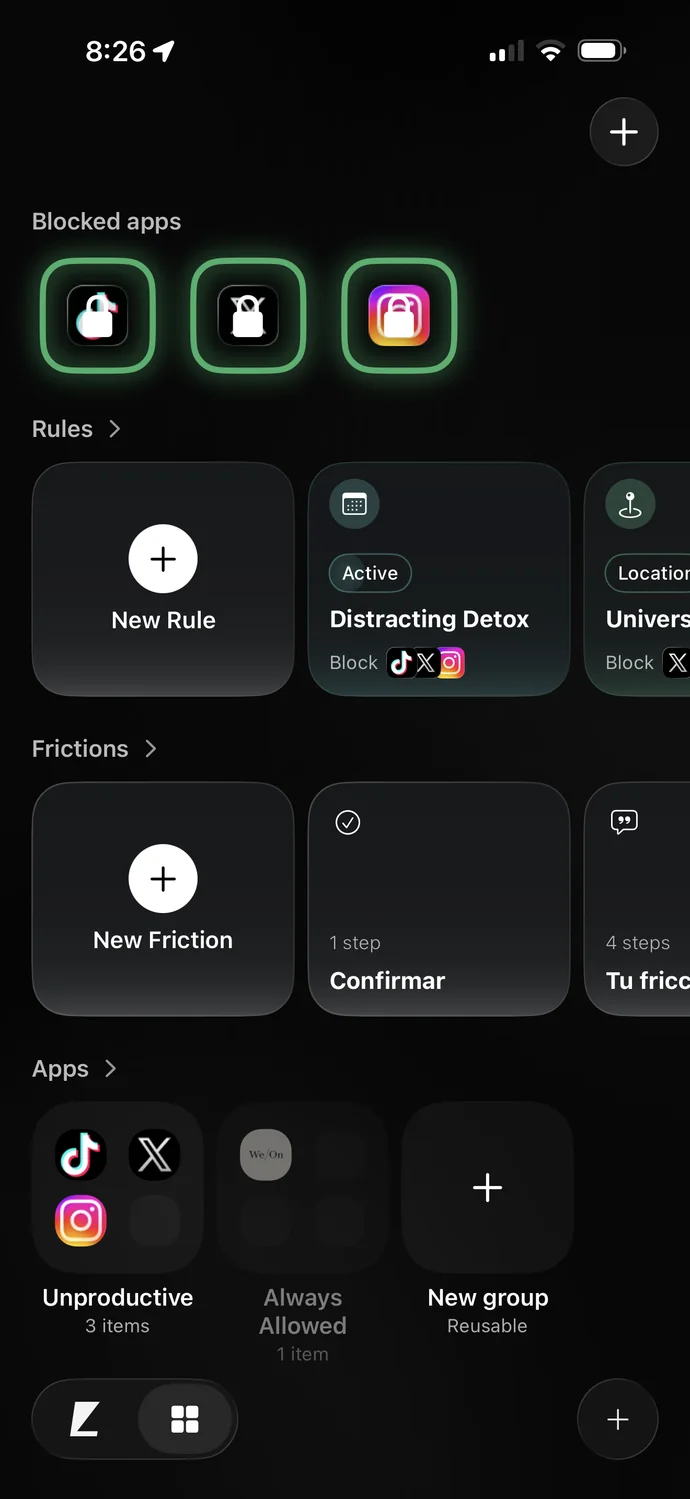
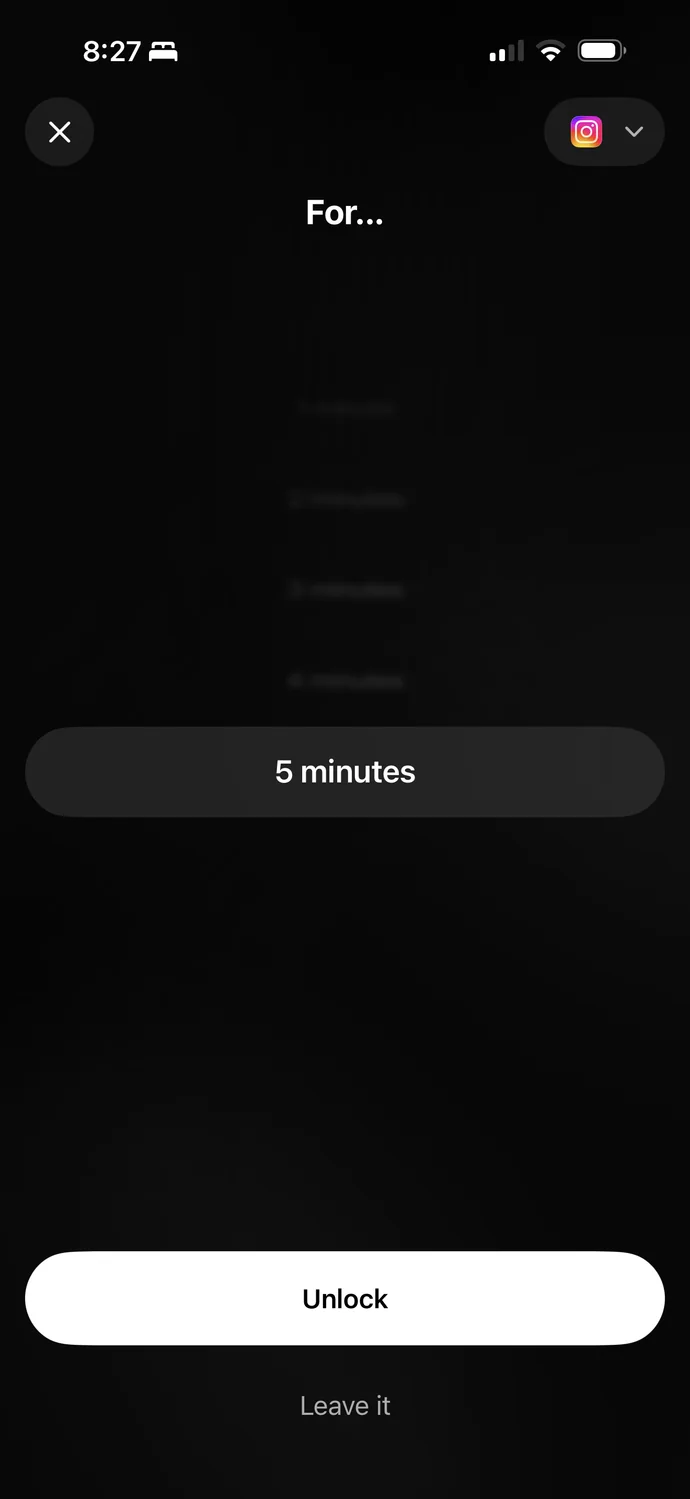
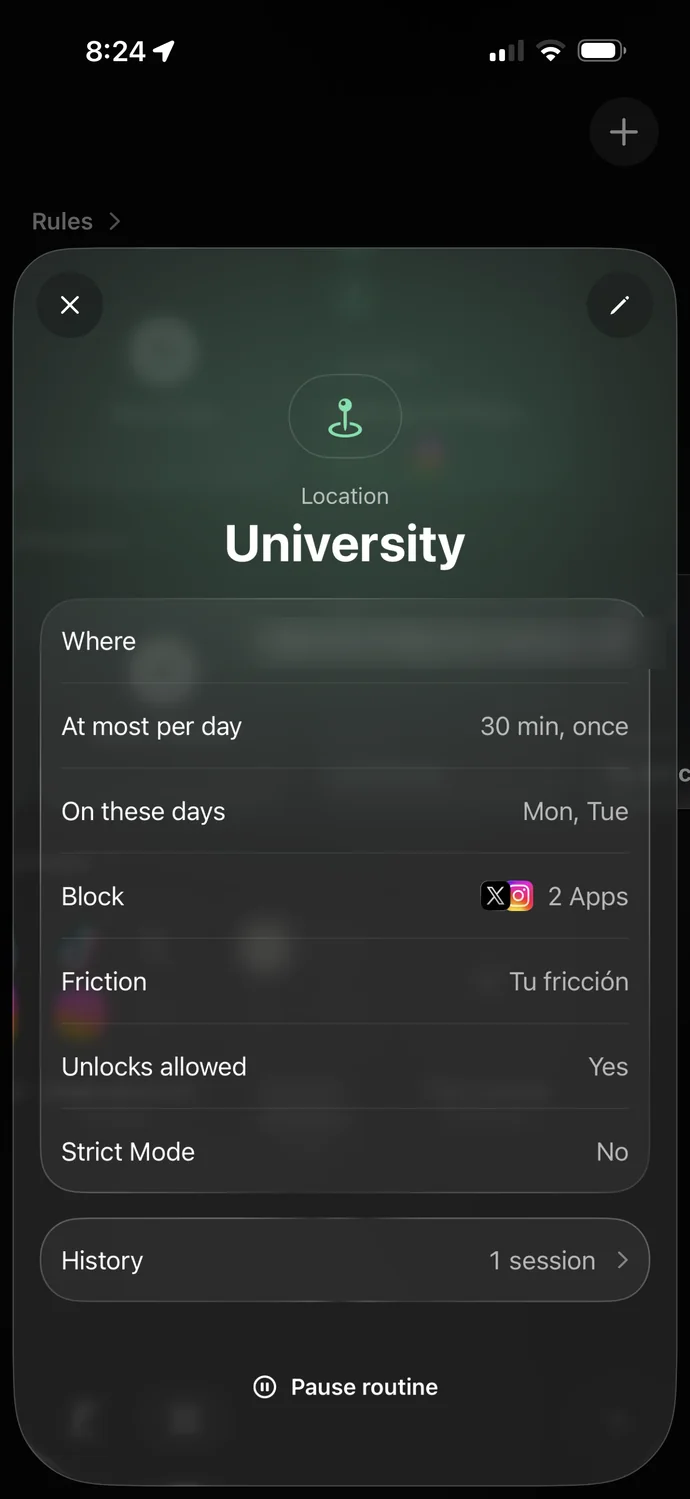
Lockty works on the moments rather than all day. You create a mode (for example "Night", 10:30pm to 7am, running across midnight) that blocks the apps and websites you choose. You type in the domains yourself. While that mode is running, its Adult content restriction filters adult websites. With Strict mode on, you can't stop or edit the mode while it runs, so the 1am version of you can't undo what the 9pm version decided. For apps you limit with a rule outside those hours, you can add a friction before each unlock: write what you're opening it for, or read your own words, such as the goal sentence from step 2.
| Apple Screen Time | Lockty | |
|---|---|---|
| Adult website filter | Always on once enabled | While a mode is running |
| Block specific apps and sites | Yes | Yes: apps in modes and rules, websites in modes |
| Schedules, incl. overnight | Screen Time schedule (Downtime on older iOS) | Modes on a schedule, a place or an NFC tag |
| Can you switch it off in the moment? | Yes, if you know the passcode | Not with Strict mode while the mode runs |
| Pause before unlocking | No | Frictions: write your reason, read your own words, breathing and more |
| Price (App Store, 19 Nov 2026) | Built into iOS | $24.99/year or $9.99/month; prices vary by country and offer |
The honest take: use both. Screen Time's filter is your always-on baseline; Lockty covers your high-risk hours with a block you can't talk your way out of and a moment to read why you started. Neither will stop someone determined to get around it. Lockty uses Apple's Screen Time API, your usage data stays on the iPhone and there's no account to create. You can see how Lockty works on the homepage.
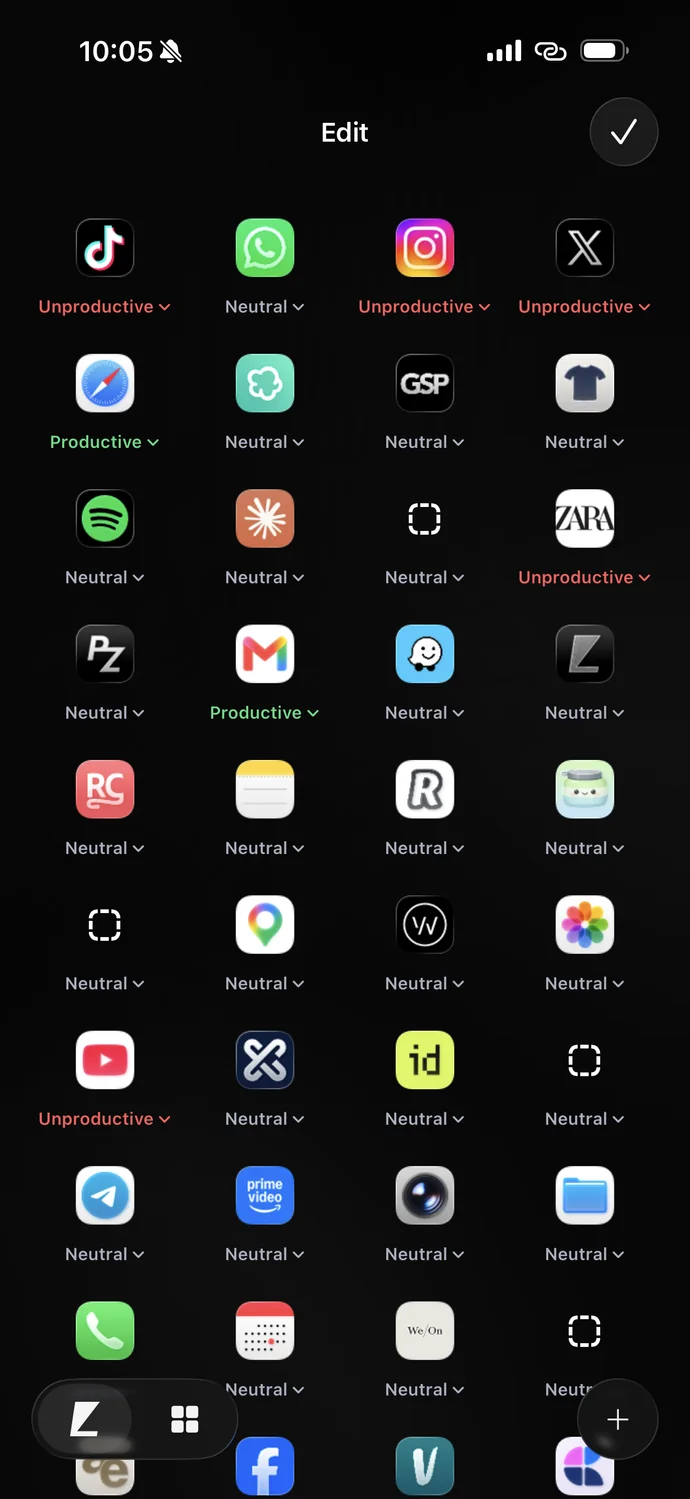
To set it up: install Lockty from the App Store, create a mode with your night schedule, add your browsers and the apps from your week-one notes, type the sites that lead you there, switch on Adult content and Strict mode, and set Unlocks allowed to none for that mode.
Handling relapses without shame
Slips are common. More than half of the men in the journal study reported at least one lapse, and many kept going afterwards. A slip tells you something about your plan, nothing about your worth.
When it happens:
- Skip the self-punishment. Shame tends to feed the stress and low mood that trigger use in the first place.
- Look at what happened. What time was it, where were you, how did you feel, which app or site was the way in?
- Patch one gap. Add that site to your block list, move the schedule earlier, or write a new if-then plan for that situation.
- Start again today, not on Monday.
If you track streaks, count good weeks per month instead of resetting to zero after one bad night.
When it's worth talking to a professional
Consider getting professional help if you've tried to cut down several times without success, if porn use is harming your relationships, work, studies, sleep or money, if you keep going even though you no longer enjoy it, or if you feel very low, anxious or ashamed about it. Healthy Male says psychological therapies are the first choice, with CBT and ACT named as effective, and that there's no good evidence for medication unless another mental health condition is present.
Where to start:
- Your GP or family doctor, who can refer you to a psychologist, counsellor or sex therapist.
- A therapist who works with compulsive sexual behaviour or sexual health.
- A peer support group, online or in person.
- In England, NHS Talking Therapies (self-referral) covers anxiety and depression, which often go hand in hand with this. In Australia, MensLine Australia offers 24/7 counselling on 1300 78 99 78.
If you ever have thoughts of harming yourself, contact emergency services or a crisis line straight away.
FAQ
How do I stop watching porn at night?
Charge your phone outside the bedroom, write an if-then plan for getting into bed, and run a blocking mode across midnight that you can't switch off once it starts.
How do I quit porn addiction?
Map your pattern, make access harder at those moments, plan for urges and get support. If repeated attempts haven't worked and it's affecting your life, see your GP or a therapist; CBT and ACT are the usual first options.
Can I block porn on my iPhone?
Yes. Screen Time's Limit Adult Websites filters adult websites once enabled. Apps like Lockty add schedules, a strict mode you can't stop mid-session and a pause before unlocking. No filter catches everything.
Is porn addiction a real diagnosis?
The WHO's ICD-11 includes compulsive sexual behaviour disorder, which can include porn use. It needs a persistent pattern over six months or more with real distress or problems in daily life. Only a clinician can assess whether it applies to you.
Sources
- The Pornography "Rebooting" Experience: A Qualitative Analysis of Abstinence Journals on an Online Pornography Abstinence Forum, Fernandez, Kuss and Griffiths, Archives of Sexual Behavior, 2021
- Evaluation and treatment of compulsive sexual behavior: current limitations and potential strategies, Zhu et al., Frontiers in Psychiatry, 2025
- Prevalence of Distress Associated With Difficulty Controlling Sexual Urges, Feelings, and Behaviors in the United States, Dickenson et al., JAMA Network Open, 2018
- Acceptance and commitment therapy for problematic internet pornography use: A randomized trial, Crosby and Twohig, Behavior Therapy, 2016
- Implementation intentions and goal achievement: A meta-analysis of effects and processes, Gollwitzer and Sheeran, Advances in Experimental Social Psychology, 2006
- Porn addiction, Healthy Male (Australian Government-funded), accessed 2026
- Set up parental controls to manage your child's iPhone or iPad, Apple Support, 2026
- Find NHS talking therapies for anxiety and depression, NHS, 2026